

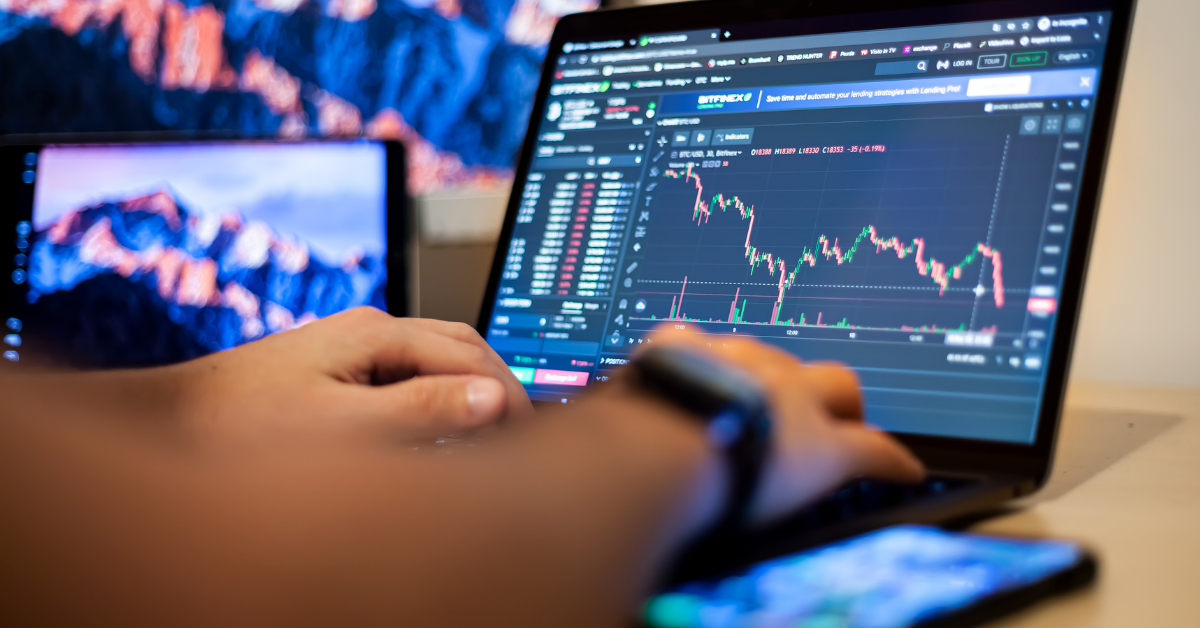
What is paper trading
Paper trading is a simulation process where the traders simulate buying and selling of financial instruments using virtual money rather than real capital. The process is performed in real markets, and the trader can open position, place stop loss, take profit, and risk management without going out of money. Paper trading helps the traders learn the trading platforms, understand how futures contracts work, and implementing their trading plan in a riskless condition.
For learning to trade with Best prop firms for futures, paper trading most frequently is the starting point. It's where one proves that they can self-control, be rule-follower, and excel prior to one being given real capital. It's not so much practice as a stepping stone in real life, to verify that one qualifies for funded accounts.
Benefits of paper trading to funded traders
1. Risk-Free Learning
One of the greatest aspects about paper trading is that one can learn and practice without risking real money. This is especially useful to funded traders who would rather refine their strategy or test out new strategies without risking their funded account. They can test out situations, learn how to respond to market conditions, and refine risk management procedures without incurring losses.
2. Acclimation with Trading Platforms
Paper trading also acclimatizes the trader to multiple trading platforms and software operations. Order types (stop, limit, market) to execution subtleties and contract details, software familiarity is prerequisite before venturing into real markets. Futures traders with contracts likely to be sophisticated must be technically adept.
3. Emotional Discipline Practice
Paper trading, while not able to simulate the psychological excitement of trading real money, does place traders in the psychological mindset of self-disciplined behavior. Traders are in charge of themselves, apply stop losses, and do not make outlandish decisions. Mind conditioning of this kind is essential to live traders who should not incur costly mistakes.
4. Strategy Testing and Building Consistency
Paper trading is one of the tools supported traders use to implement completely new or proven ideas. They can experiment with how things operate in other arrangements for markets and learn in the process. Each repeat of refining is priceless as much as establishing consistency quite possibly one of the most important variables in facilitating good reviews and consistent funded trading profitability hangs in the balance.
5. Funded Trading Review Preparation
All prop firms expect passing practice accounts before funding. Paper trading enables future traders to hone their skills in the very same conditions of such tests i.e., profit targets, time constraints, and daily loss stops. Passing practice tests makes one ready and reliable.
The drawbacks of paper trading by funded traders
1. No Actual Financial Risk
Though lack of risk exposure to money is desirable, it is in itself a deficiency. Paper trading can never simulate the emotional tension of risking real money in any way. Anxiety, greed, and fear emotional considerations that hold enormous sway over decision-making under real market conditions are suppressed or abbreviated in simulations, resulting in an misplaced confidence.
2. Emotional Disconnect
Because the traders neither lose nor gain money, they would respond differently when paper trading. Over-trading, ignoring risk levels, or ignoring stop losses altogether are common mistakes. This abstraction can induce such bad habits with a negative impact difficult to eliminate once switching to live funded accounts, where emotions run amok.
3. Over-Simplification of Market Conditions
The other paper trading systems do not take into account practical issues such as slippage, order delay, or spread widening during volatile markets. The volatility causes the strategy to overstatistic performances and then surprise the traders when trading futures contracts in reality.
4. False Sense of Mastery
Over-trading success will lead to over-confidence. They would believe that they are well prepared to trade live when, in fact, they have never experienced the actual pressure and market action of live markets. It can result in early mistakes and capital loss in funded accounts if the transition is not managed effectively.
5. Limited Feedback Loop
While paper trading is practice good, it does not provide immediate feedback of live trading for real financial impact on every single decision. Funded traders will pick up best in life from losses and profits in live actual markets a difficult one to practice very well on paper.
Best practice in funded traders with paper trading
Simulate Real Conditions
In order to maximize the use of paper trading, treat it just like actual trading. Employ realistic account sizes, restrict yourself to trading only actual futures market hours, and employ very stringent risk management policies. Shun trading habits like risking too much and deviating from your trading plan since no actual money is involved.
Make Use of Paper Trading to Establish Habits
Stresses to implement such a regimen like planning trades, tracking performance, and applying risk controls. The traders who adapt these regimens through simulator trading and transfer them to live accounts can be blessed with long-term success.
Transition Gradually
Be cautious in transitioning from simulation to live trading. Practice using mini-sized lots and remain disciplined. Remember that emotional reactions will be heightened with live capital on the line, so have first live trades as a continuation and not a speculation.
Utilize Paper Trading as a Continuing Tool
Even after being funded, have paper trading to test new strategies or switch to provide room for adaptive markets. This risk-free platform might enable funded traders to build and enhance without risking their capital.
Conclusion
What is paper trading and why is it so important for funded traders? It is a great habit and testing aid for allowing traders to hone their skills, learn, and prove themselves without losing real money. To futures traders who must get in positions with prime prop firms for futures, paper trading is probably the key to their profitability.
But just as there are several benefits to paper trading, one must also consider the limitations of paper trading. There are moments of unreadiness because there is no money at stake and emotional adrenaline. Sponsored traders who dream of becoming rich and famous will be compelled to make paper trading an earnest option, replicate live scenarios as accurately as possible, and practice the roll out to live trading.
Ultimately, paper trading is not just a beginner’s game it’s an ongoing part of a disciplined trader’s toolkit. Use it wisely, respect its constraints, and you’ll build the foundation needed for a sustainable and profitable trading career with a prop firm.
